
Is HMDD Worth the Price? A Shopper’s Guide to Value for Streetwear Fans
At the moment, buyers browsing the category keep asking one thing: does HMDD’s craftsmanship and design match its cost? Known in full as Happy Memories Don’t Die, the brand has earned its fans on graphics that carry emotional weight, a nostalgic aesthetic, and a lineup centered on relaxed essentials like sweatpants, shorts, hoodies, and tees. A name and a mood board, though, won’t settle the pricing question. That’s what this article examines: what you’re paying for with HMDD clothing, where the value is real, where it falls short, and how it stacks up against similar streetwear labels in 2026.
Separating the branding from the product is central to any honest hmdd review. The brand is built around a singular emotional idea — the notion that memories outlast everything, that a garment can carry feeling and not just look. It’s an effective pitch, yet buyers spending actual cash still want proof that the actual build are worth the cost. Here we assess construction, sizing consistency, drop frequency, and resale demand for an unbiased view instead of merely repeating its own pitch.
Where the Money Actually Goes
Sitting in the mid-tier streetwear bracket, HMDD charges above standard mall pricing while staying below hype-driven luxury streetwear. This in-between spot is precisely where confusion tends to creep in, since buyers compare it to cheaper and pricier alternatives alike. A fairer benchmark is similar-scale independent labels — not fast fashion, and not designer collaborations.
Cost comes down to three things: fabric weight, print/embroidery technique, and limited-run scarcity. Sweatpants from HMDD tend to use heavier fleece blends compared to entry-level mall sweats, affecting both drape and how well the garment keeps its shape through repeated washing. The artwork itself, usually the heart of the brand’s nostalgic message, it typically uses methods that outlast standard heat-transfer prints — a real factor for anyone wearing it often rather than rarely.
Scarcity from small releases adds to the price, since smaller production runs carry less per-unit efficiency than mass retailers get, a difference that gets passed on to hmdd official shoppers. Plenty of independent labels share this trait — it’s the norm in the indie streetwear world — but it’s worth stating plainly, since it accounts for some of the gap versus big retailers.
Sweatpants and Shorts: The Real Value Check
hmdd’s shorts and sweatpants usually act as where the majority of shoppers first try the brand, and since they’re used so regularly and washed so much, they double as the most honest gauge of value. Sweatpant styles succeed or fail based on three things: elastic waistband durability, long-term pilling resistance, and whether the fit remains accurate after repeated laundering. Shorts get evaluated on how long the drawstring lasts, how sturdy the inseam stitching is, and whether the material retains its color after frequent laundering.
Customers consistently note that HMDD’s sweatpants run true to size with a relaxed through-the-leg cut rather than a fitted taper, which makes a difference if you’re used to size charts that run tight. The shorts carry the same loose, relaxed shape. This reliability counts for more than most shoppers realize — a brand that delivers a dependable fit across drops spares you the hassle and cost of returns, which is its own kind of worth even before you factor in the actual cost of the garment.
Where it gets interesting is repeat-purchase behavior. Customers happy with a single pair of HMDD sweatpants usually return for shorts or hoodies instead of making a one-time purchase and switching brands. That’s a fair proxy for satisfaction, since streetwear shoppers have plenty of other options and don’t keep buying for underwhelming products.
How HMDD Stacks Up Against Comparable Streetwear Labels
Figures anchor this discussion better than descriptive words can. Below is a comparison framework across categories that matter most to shoppers focused on value: price positioning, fabric heaviness category, print/graphic durability, drop frequency, and consistency of fit. These are general positioning estimates based on general category positioning rather than specific claims HMDD hasn’t directly made, and they’re meant to help you get your bearings rather than serve as exact specs.
| Metric | Budget/Mainstream Streetwear | HMDD Clothing | Premium/Designer Streetwear |
|---|---|---|---|
| General Price Tier | Low | Mid | Elevated to Premium |
| Material Weight | Light to Mid | Mid to Heavy | Heavyweight |
| Graphic Longevity | Weaker to Moderate | Mid to High | High |
| Release Frequency | Constant | Periodic/Limited | Seasonal, Highly Limited |
| How Consistent Fit Stays Across Drops | Inconsistent | Generally Consistent | Consistent |
This comparison isn’t about naming a clear winner — it’s meant to illustrate where HMDD falls within the category. It isn’t going up against $15 fast-fashion sweatpants, nor is it attempting to pass as a $300 designer hoodie. It sits in the space where material and graphic quality clearly surpass starter-level basics, without requiring shoppers to spend high-end pricing for the upgrade. For plenty of customers, that middle lane is just the value proposition they’re after.
HMDD’s Best Everyday-Value Selections
Joggers and shorts rank highest because they’re worn for everyday errands, workouts, and lounging alike, dividing the price across a wider range of wears than an eye-catching hoodie you save for specific outfits.
- Sweatpants: elevated wear rotation, relaxed fit, best cost-per-wear value in the lineup.
- Shorts: strong warm-weather go-to item, matching fit logic to the sweatpants.
- Graphic hoodies: steeper price point but slower wear-out due to less frequent rotation frequency.
- Tees: most affordable entry point, useful for testing sizing before buying pants.
Starting with a tee is a savvy tactic if you’re unfamiliar with hmddla and unsure how its size range maps onto your usual size. Buying in stages like this is a frequent recommendation among streetwear fans dealing with any indie label with limited size-exchange windows.
The Downsides of the Value Equation
No label is perfect, and value assessments aren’t useful if they only focus on strengths. The biggest pain points shoppers raise about HMDD center on limited release availability — when a design runs dry, it may fail to return on a predictable schedule, which can annoy buyers who let a release pass them by. That’s a real cost in convenience, even if it doesn’t show up on a receipt.
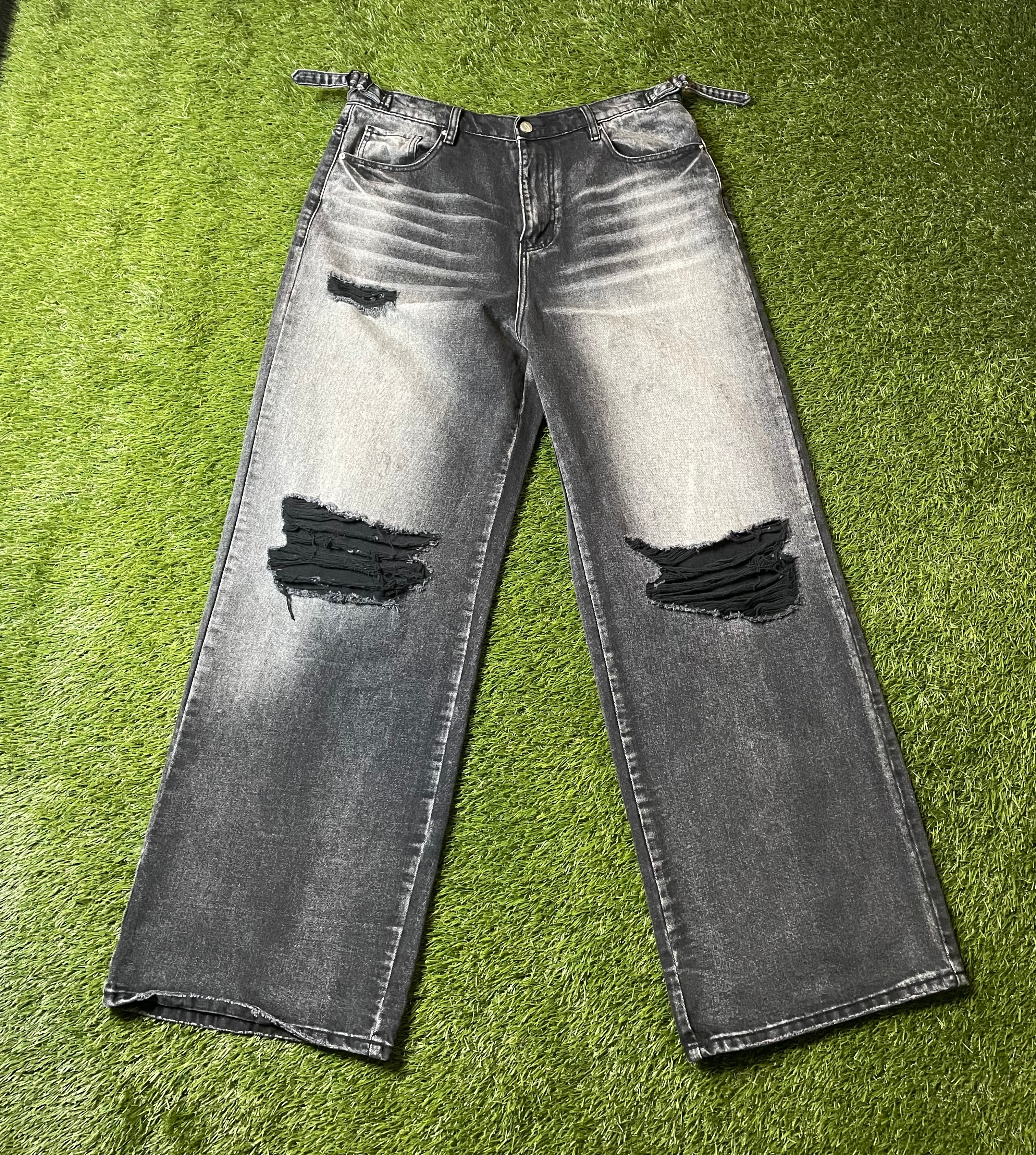
Indie fashion brands generally fall short of the return convenience of large chains, so a purchase decision should factor in that fit corrections may be slower or cost more in shipping than they would with a bigger retailer. This situation is unique to HMDD, but it’s part of the real cost of buying from a smaller, design-driven label rather than a mass retailer with large-scale shipping operations.
The Bottom Line: Is HMDD Worth It?
For shoppers who value fabric weight, graphic durability, and a distinct nostalgic aesthetic over rock-bottom pricing, HMDD earns its price point more often than not. The «happy memories dont die» ethos isn’t just branding fluff — it shows up in design choices that favor meaning and lasting quality over disposable trend-chasing.
Where you need to hold back is if you’re counting on designer-level build quality at mid-level prices, or if you need dependable restocks and liberal return windows. Those aren’t strong points of the scarcity-driven model that HMDD runs on, and no truthful assessment should pretend otherwise. After balancing your own priorities — cost-per-wear, aesthetic fit, and tolerance for infrequent replenishment — against what HMDD offers, settling the worth-it question gets much easier for your specific situation in 2026.